A personal guide to
Manchester
Legends
The people, places and moments
that made a city unforgettable
Scroll to explore
A personal guide to
The people, places and moments
that made a city unforgettable
Manchester doesn't do quiet. It gave the world the industrial revolution, the splitting of the atom, the programmable computer, women's suffrage, and the blueprint for modern football. It exported Rolls-Royce, Vimto, and the Gallagher brothers. It built canals, cotton mills, and MediaCityUK on the same stretch of water.
This isn't a tourist board. It's not sponsored. It's a personal guide to the nooks, crannies and secrets of a city I grew up in. The legends who shaped it. The hidden places most people walk past. The moments that knocked it down and the stubborn refusal to stay there.
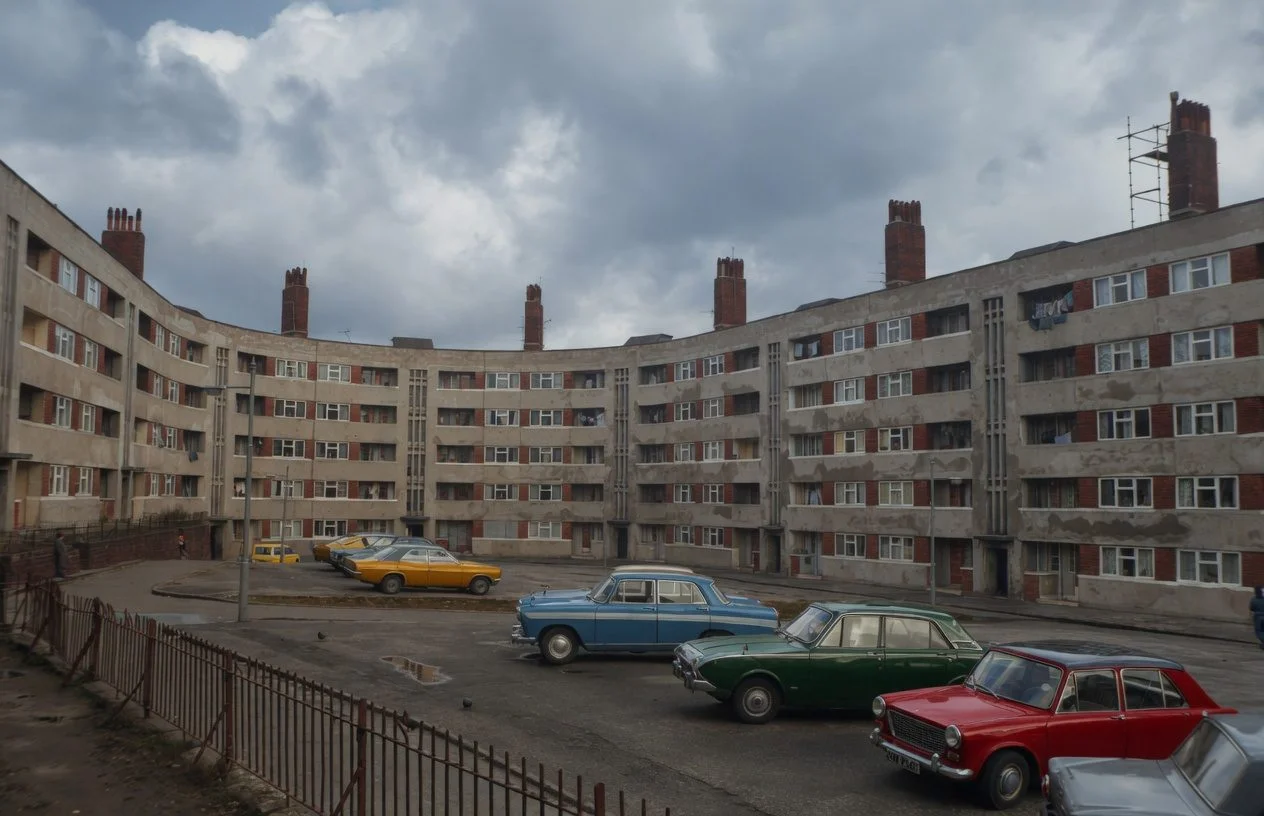
1972. Council flats, concrete courtyards, and the sound of kids playing between parked Cortinas. Home to hundreds of Manchester families. Demolished. Gone. But not forgotten by the people who grew up there.
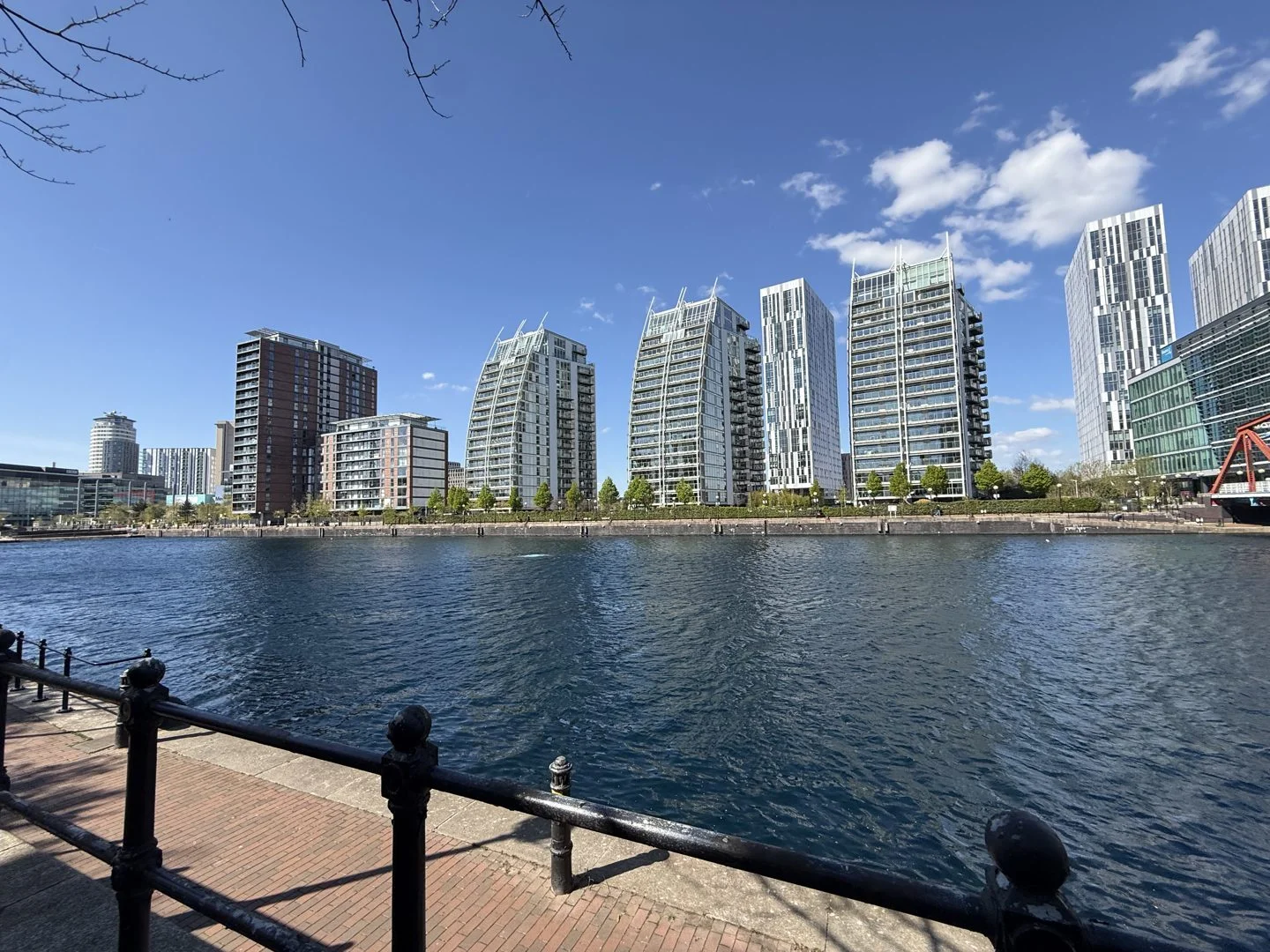
2026. Glass towers, the BBC, ITV, and a theatre named after an artist who painted streets just like the ones Kennet House stood on. Same county. Same people. Different skyline.
Greater Manchester doesn't forget where it came from.
It just refuses to stay there.
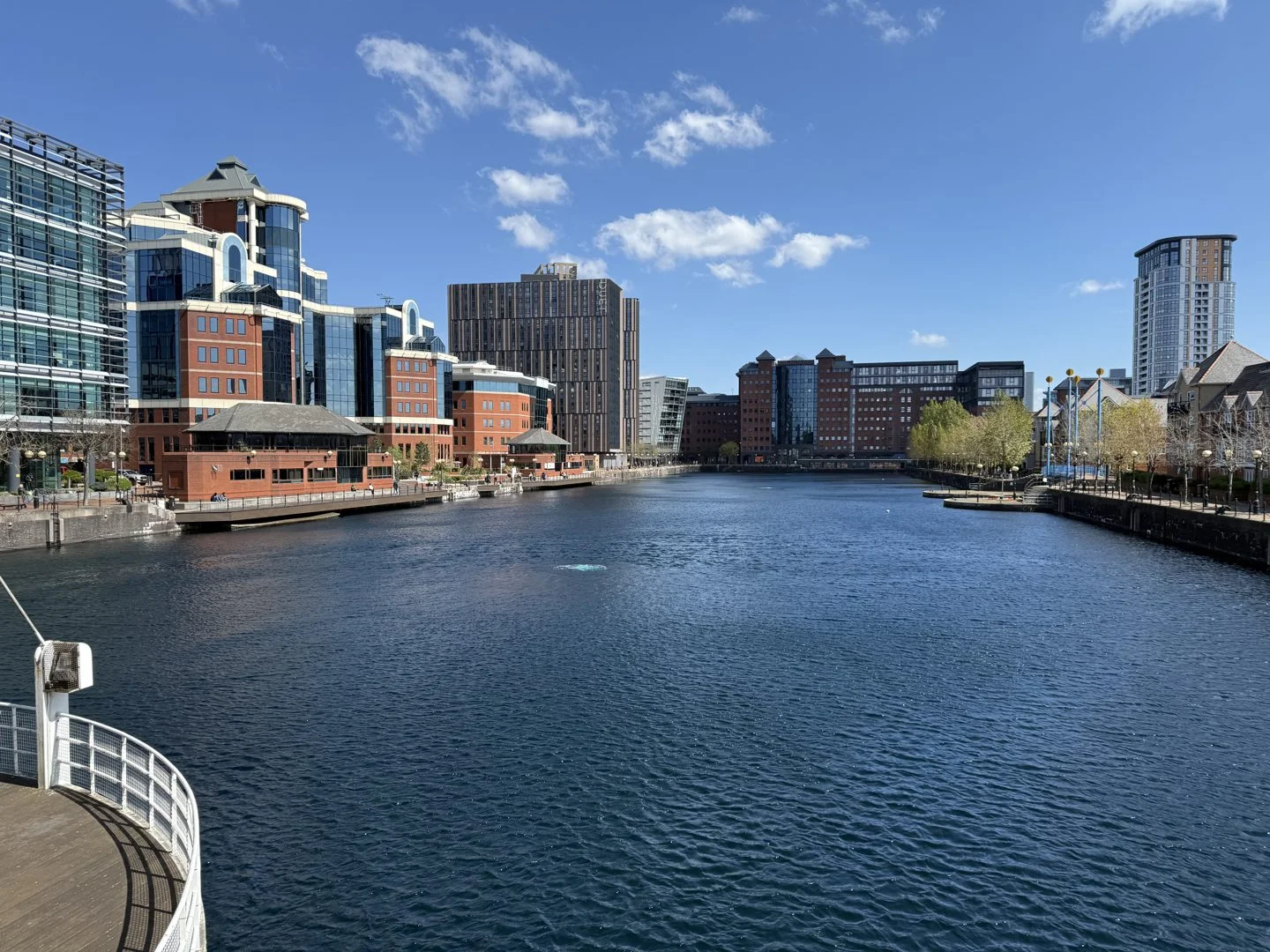
Salford Quays, 2026. The docks that Lowry painted are now home to the BBC, ITV, and The Lowry theatre.
1887 - 1976
"I saw the industrial scene and I was affected by it. I tried to paint it all my life."
Laurence Stephen Lowry spent nearly 40 years painting the streets, mills, and people of industrial Salford and Manchester. His matchstick figures became one of the most recognised artistic styles in British history. He turned down five honours, including a knighthood.
Read the full story →Pioneers, rebels, inventors, artists, actors, musicians, footballers. The people who made Manchester what it is.
Burnage council estate to the biggest band in the world. Definitely maybe.
1991 - presentFrom Salford tragedy to global electronic pioneers. Two bands, one story.
1976 - presentFather of computer science. Codebreaker. Persecuted hero.
1912 - 1954Born in Moss Side. Founded the WSPU in her parlour on Nelson Street. Won women the vote.
1858 - 1928Manchester engineering graduate. Invented the restrictor that stopped Spitfire engines stalling in nosedives. OBE.
1909 - 1990Urmston. Happy Valley swept everything. Unmistakably northern.
1964 - presentThe Busby Babes, Munich, the Treble. From Newton Heath to the biggest club in the world.
1878 - presentThey met at the Midland Hotel. The rest is engineering history.
1904Manchester keeps getting knocked down. It keeps getting back up. Every time, it rebuilds bigger and better than before.
Curated walks connecting Manchester's legends, hidden places, and defining moments.
From Peterloo to punk. Marx to Rolls-Royce. Seven stops through 200 years of world-changing moments, all within half a mile.
Start walking →From the Lesser Free Trade Hall to Band on the Wall, via the Haçienda, Afflecks, and the Northern Quarter. The walk that follows Manchester's music revolution.
Start walking →Ten boroughs. Nearly three million people. Hundreds of hidden stories. Pick a borough and go deep.
The one in the middle. Where Peterloo happened, where punk was born, where the atom was split.
Lowry's city. The docks that became MediaCityUK. The most misunderstood borough in Greater Manchester.
Old Trafford. The Lowry theatre. The Imperial War Museum North. Trafford punches well above its weight.
The viaduct. The hat museum. The air raid shelters carved into sandstone. Strawberry Studios and 10cc.
Stalybridge buffet bar. The Tame Valley. Quieter than its neighbours, but full of surprises.
Once the cotton-spinning capital of the world. More spindles than any other town on earth.
The birthplace of the cooperative movement. Lisa Stansfield's hometown. Gracie Fields country.
Bury Market. The East Lancashire Railway. Elbow. More black pudding than anywhere on earth.
Samuel Crompton's spinning mule. Fred Dibnah. Peter Kay. The steepest cobbled street you'll ever drive up.
The Pier. Rugby league heartland. Ian McKellen's hometown. More to it than the jokes suggest.
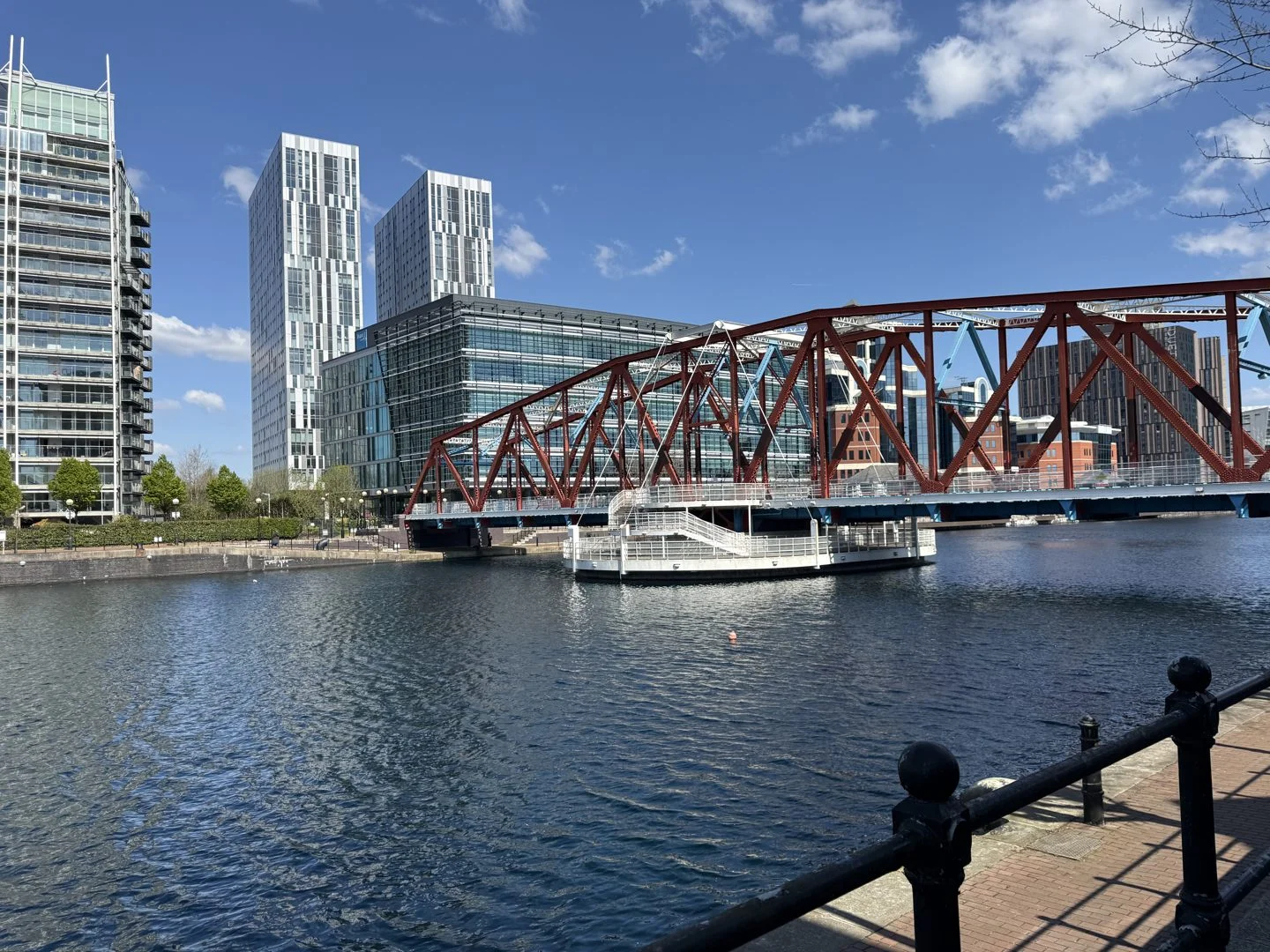
Where the docks met the future. Original photography by Laurence Lai.
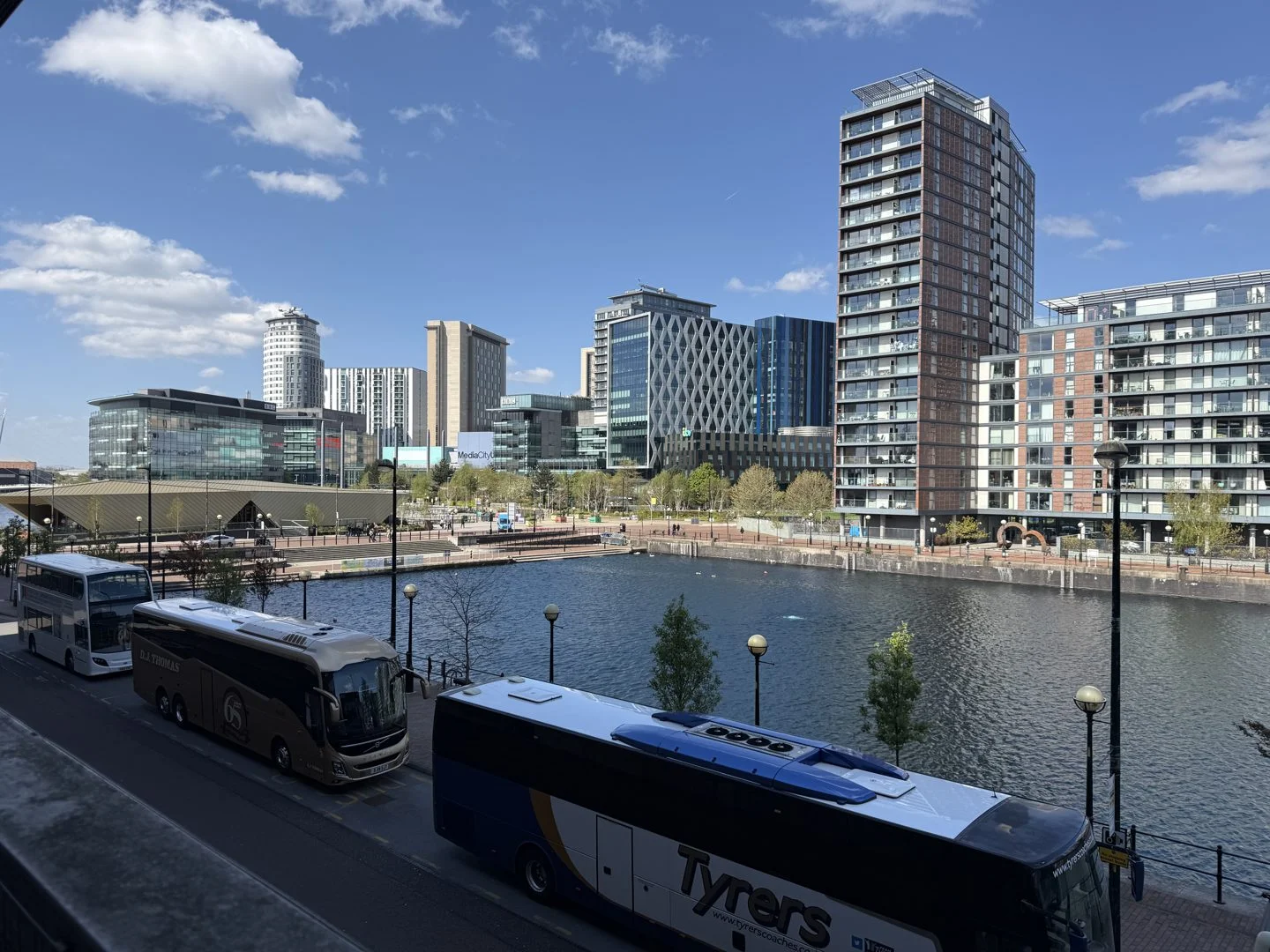
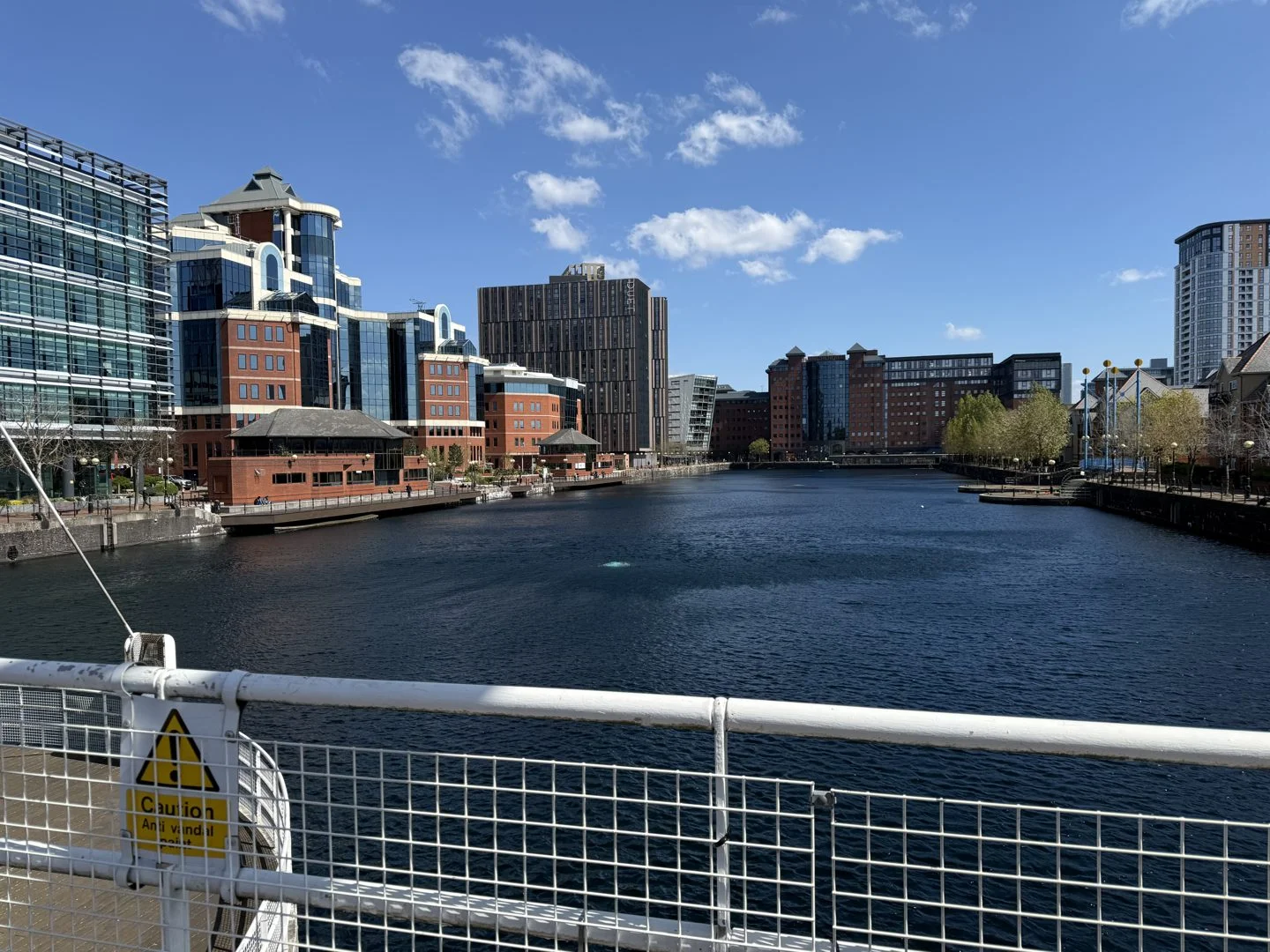
Kennet House, Cheetham Hill. Council flats, the Temple Picture House, Star Wars in early '78, First Holy Communion at St Chad's. Watching the Arndale get built. Walking into town in twenty minutes. This is why this site exists.
Read my story →This isn't one of those expensive tourist books written by people who aren't from Manchester, half of which is plugging a private business. This is just straightforward, no-nonsense Manchester. It's not sponsored by Visit Manchester or paid for by anyone. It's a personal project by someone who grew up in this city and wants to share the stories, places, and moments that most people never hear about.
Manchester has produced more world-changing ideas per square mile than almost anywhere on earth. But the best bits aren't in the guidebooks. They're in the hidden churches, the Victorian racquet clubs, the squares named after American presidents, and the stories passed down through generations.
In 1653, Humphrey Chetham left money in his will to open a library where anyone could walk in and read for free. No charge. No conditions. Just knowledge, available to everyone. 373 years later, Chetham's Library is still open, the oldest surviving public library in the English-speaking world. This site exists in the same spirit. I'm proud of my city and I want to leave something here that does the same thing Chetham did: share what I know, for free, for anyone who wants it.
Yeah, I know it gets plagiarised. Am I arsed? Not really. Just give me a mention. Or if you're ever in town, buy me a pint of JW Lees Manchester Craft. You'll find me a couple of doors down from Number 10 of the North.
Manchester Legends is an ongoing project. New stories added regularly. If you know a secret worth sharing, or you've got old photos of Manchester that deserve to be seen again, get in touch.